Look at the air path as a system
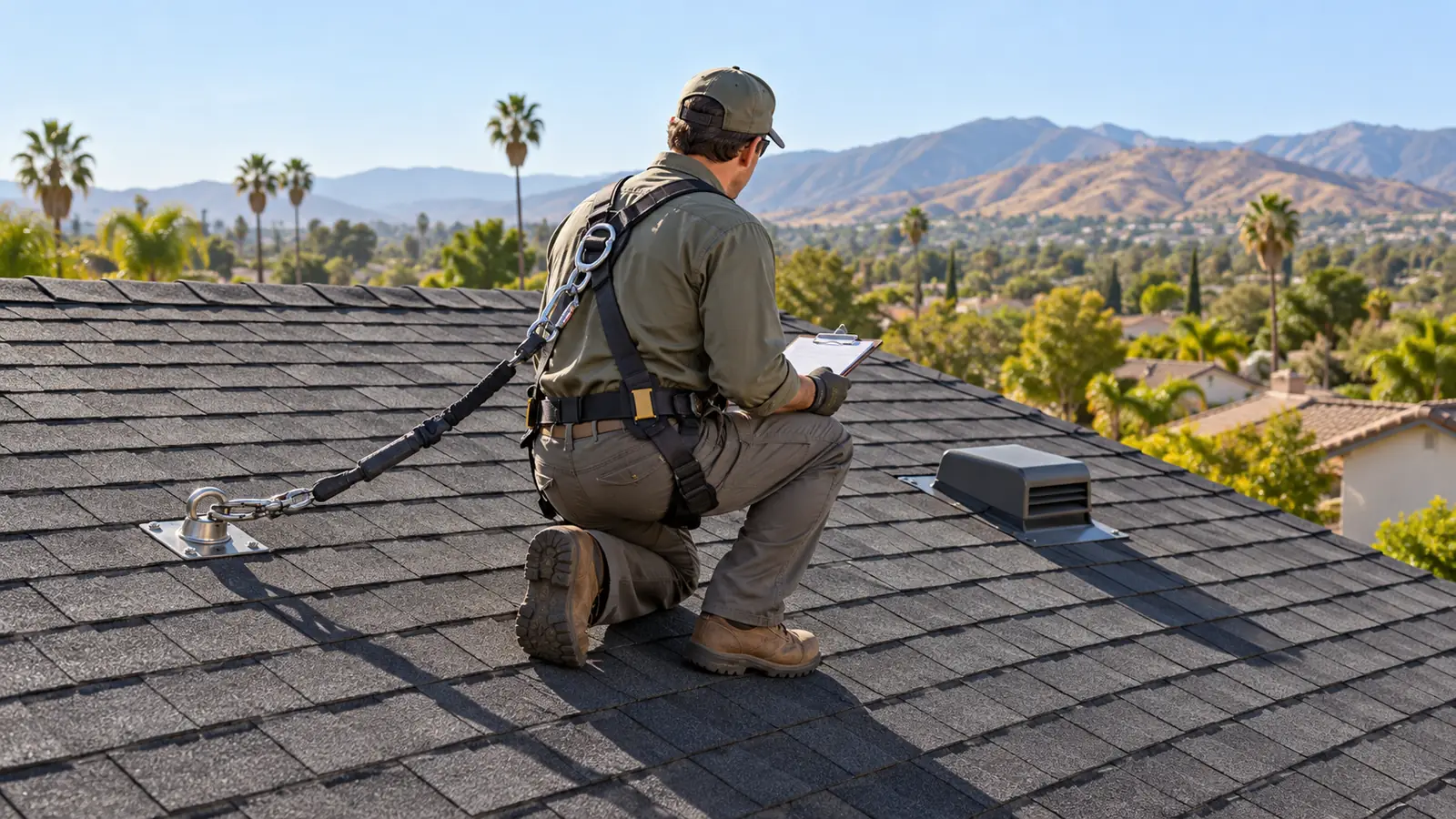
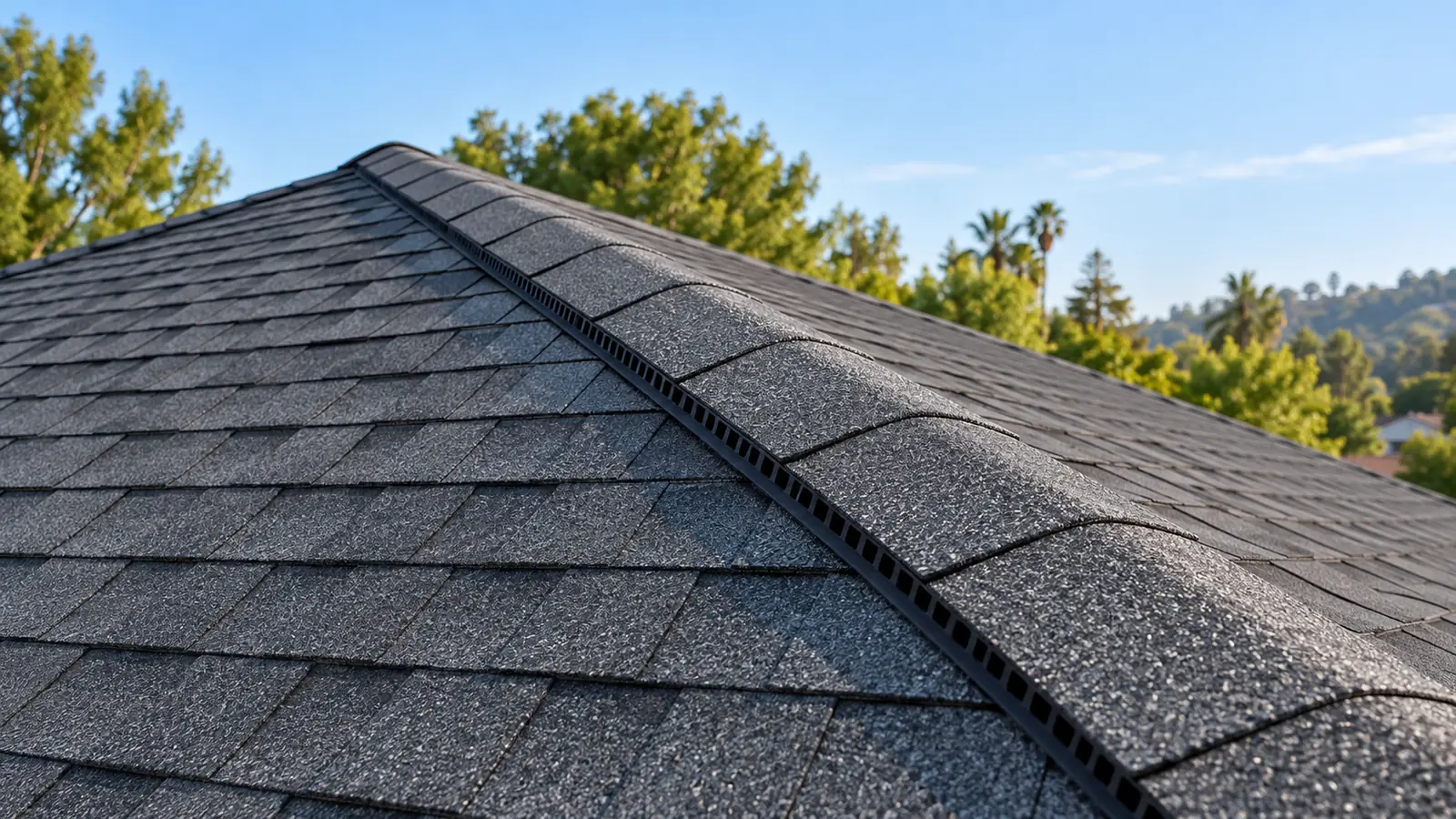
For a vented attic, intake and exhaust need to work together. Air must have a path into and out of the space. A visible roof vent is only one part of that arrangement, so ask about intake locations, exhaust locations, and obstructions.
Do not assume that adding more exhaust is automatically the answer. Ask how the proposed change relates to the existing intake and the roof's design. A recommendation should describe the complete approach, rather than simply a count of new vents.
Identify the roof and attic configuration
An open attic, a finished upper floor, and an unvented roof assembly are different situations. Tell the roofer about insulation work, interior remodeling, or changes to the attic. If drawings or earlier installation records are available, share them.
The ventilation discussion may also involve other building systems. Bathroom exhaust, air leakage, insulation, and air-conditioning concerns can require attention from another qualified trade. Ask what the roofing scope can address and what needs a separate evaluation. A hot room alone does not diagnose a roof ventilation defect.
Coordinate ventilation with roof replacement
During replacement planning, ask whether existing vents will remain, be replaced, or be reconfigured. Confirm the proposed products and their location. The finished appearance matters, but compatibility with the roof assembly and manufacturer requirements should guide the design.
If a roof opening is moved or removed, ask how the old location will be repaired. If new openings are proposed, clarify the flashing and installation details. These items belong in the written scope so the roofing and ventilation work can be evaluated together.
Set realistic expectations and keep records
Roof ventilation is not a blanket promise of lower utility bills or a cure for every comfort problem. Ask what specific condition the proposed work is intended to address and how that conclusion was reached. If you are concerned about moisture, request an explanation of possible sources and inspection limits.
After installation, keep the product information and any written recommendations with your roofing records. Future insulation or remodeling work should take the ventilation approach into account. If another contractor changes the attic or roof assembly, share the existing plan before work begins.
- Describe the problem rather than requesting a particular vent.
- Discuss intake and exhaust together.
- Flag past attic or insulation changes.
- Clarify any separate work needed outside the roofing scope.
STRAIGHT ANSWERS
A few things you may be wondering.
Will a ridge vent fix every hot attic?
No. The attic configuration, intake, obstructions, insulation, and other conditions need review. A ridge vent is one possible component of a suitable system.
Should ventilation be reviewed during roof replacement?
Yes. It is a useful point to discuss the existing arrangement and any proposed changes, with the details included in the replacement scope.