Begin with drainage and roof condition
Ask where water is intended to leave the roof and whether the existing drains, outlets, and surrounding details are working as intended. Persistent standing water, staining, or repeated repairs deserve investigation. A new surface alone may not address an underlying drainage issue.
Share what you have observed after rain, but do not climb onto a wet roof. Photos from a safe vantage point can help explain the concern. If water is appearing inside, note the affected room and whether the problem follows every storm or only particular conditions.
Choose a suitable low-slope system
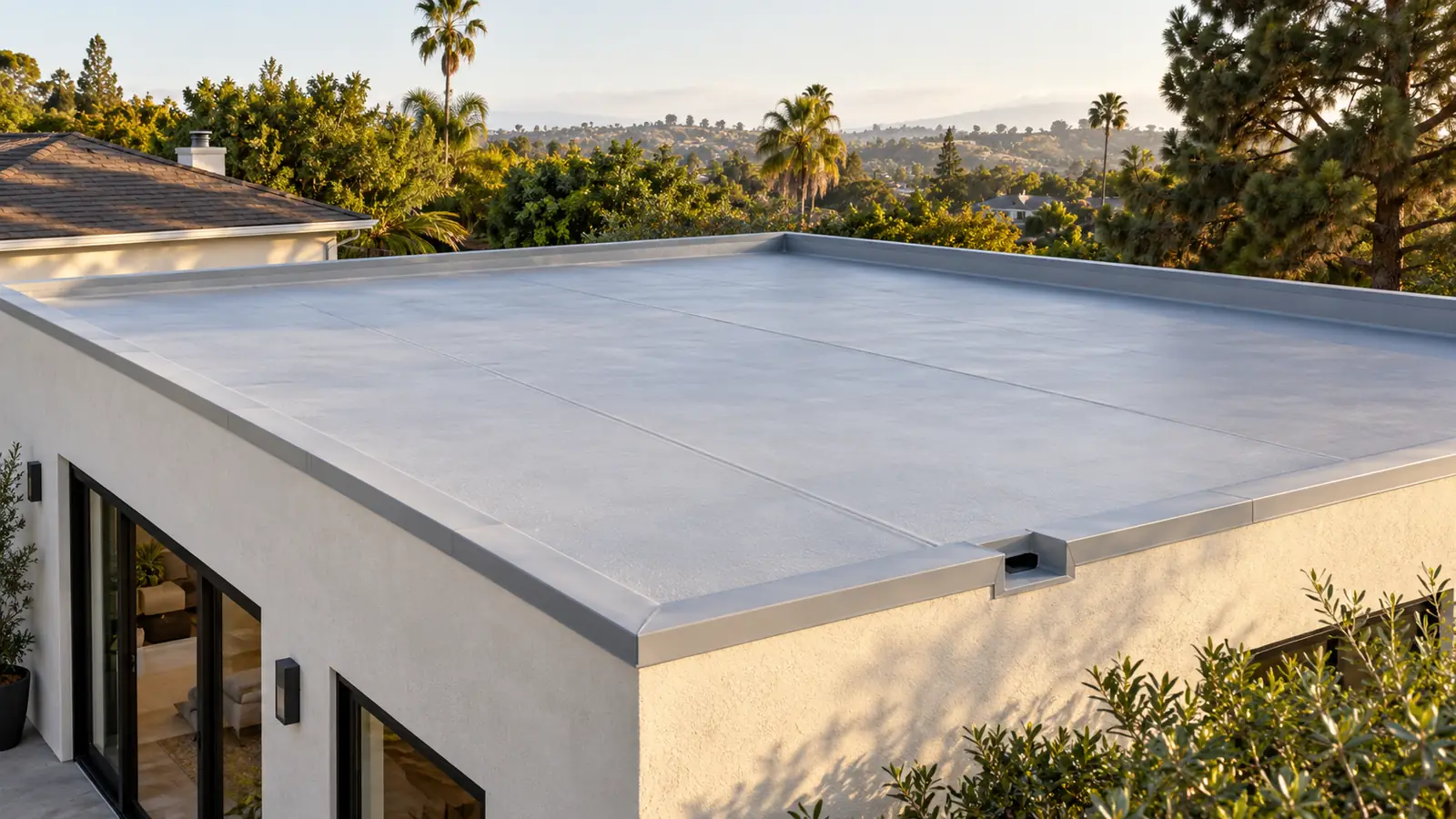
Low-slope options can include single-ply membranes and modified-bitumen assemblies. They differ in materials, attachment methods, seam details, and maintenance requirements. Ask for the exact proposed system, rather than comparing quotes that simply say flat roof.
The roof's dimensions, substrate, slope, penetrations, and existing layers influence the recommendation. A small addition and a full-house low-slope roof may call for different scopes. Ask why the proposed material suits the specific surface and what preparation it requires.
Review walls, openings, and adjoining roofs
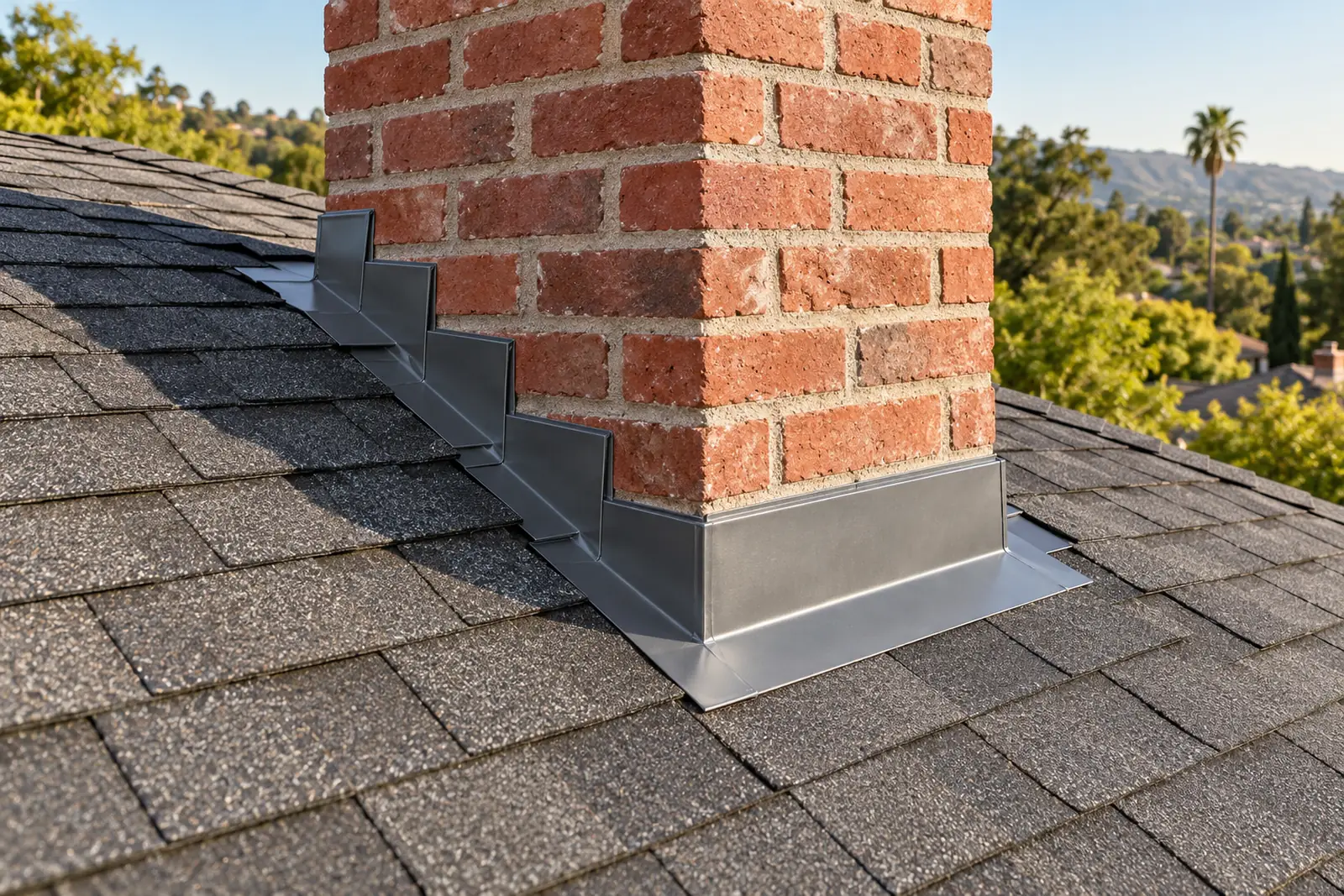
Pay attention to where a low-slope roof meets a taller wall or a steeper roof. These junctions should be described in the proposal. Ask how edges, drains, pipes, skylights, and equipment supports will be handled and which existing details are being retained.
If rooftop equipment needs servicing, identify access routes and discuss protective measures appropriate to the system. If another trade must disconnect or move equipment during replacement, clarify who arranges that work. These items can affect both cost and scheduling.
Understand the limits of patching or coating
A patch or coating is not automatically a substitute for replacement. The underlying material, moisture condition, drainage, and compatibility need evaluation. Ask what problem the proposed work is intended to solve and which existing conditions will remain.
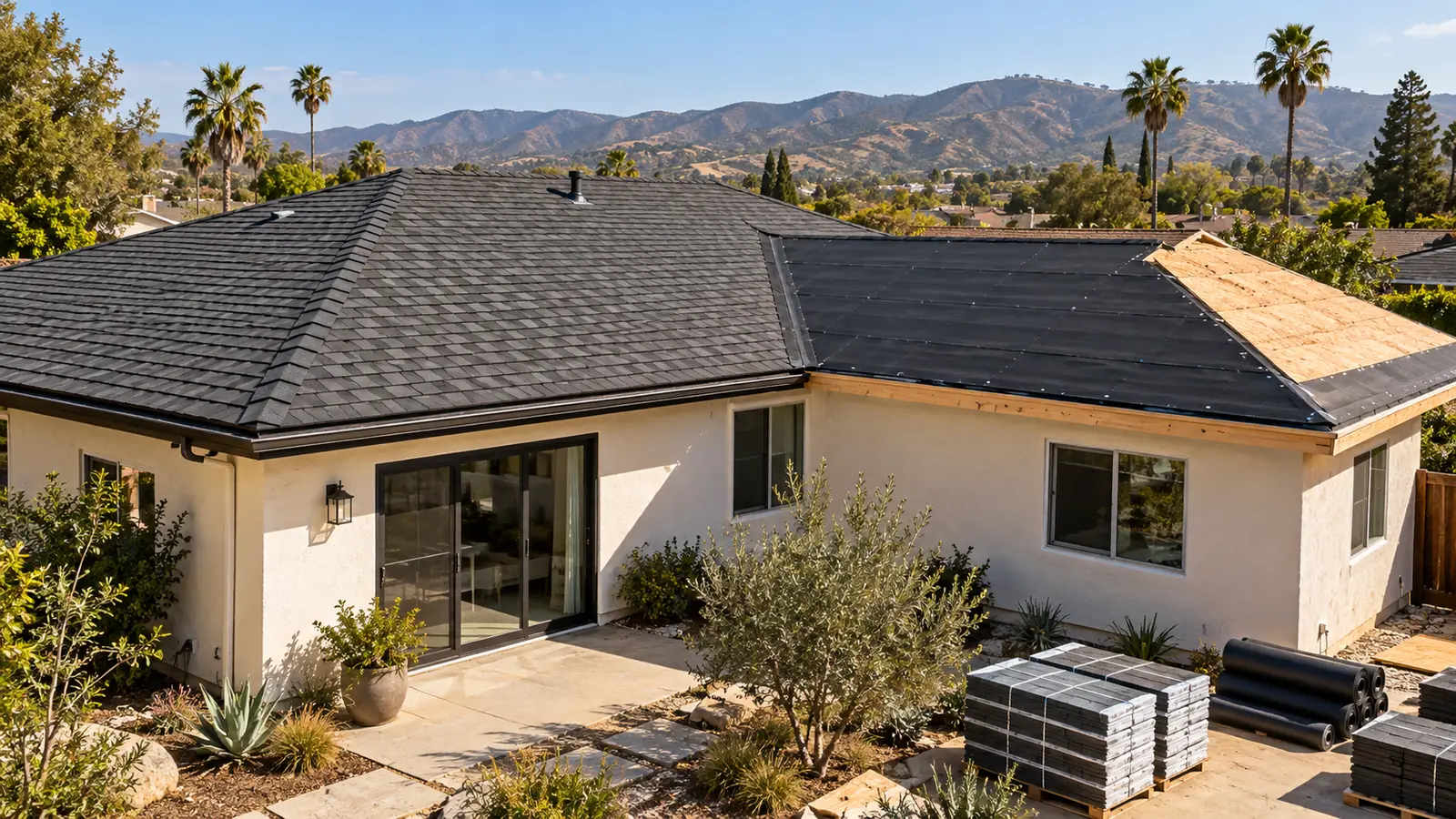
For replacement, request the removal scope, substrate review, new system, drainage details, cleanup, and written warranty information. If concealed damage changes the work, agree on an approval process beforehand. A clear proposal should distinguish the finished roofing from any separate structural or interior repairs.
- Identify the roof section and existing material if known.
- Ask how drainage will be addressed.
- Confirm the complete membrane and flashing system.
- Discuss access for future equipment maintenance.
STRAIGHT ANSWERS
A few things you may be wondering.
Can a flat roof be covered with shingles?
The actual slope and product requirements determine suitability. Many low-slope surfaces need a purpose-designed membrane or other compatible assembly.
Will a coating fix a leaking flat roof?
Not necessarily. A coating requires a suitable, prepared substrate and does not resolve every seam, drainage, or concealed moisture problem.