Start with the condition of the whole roof
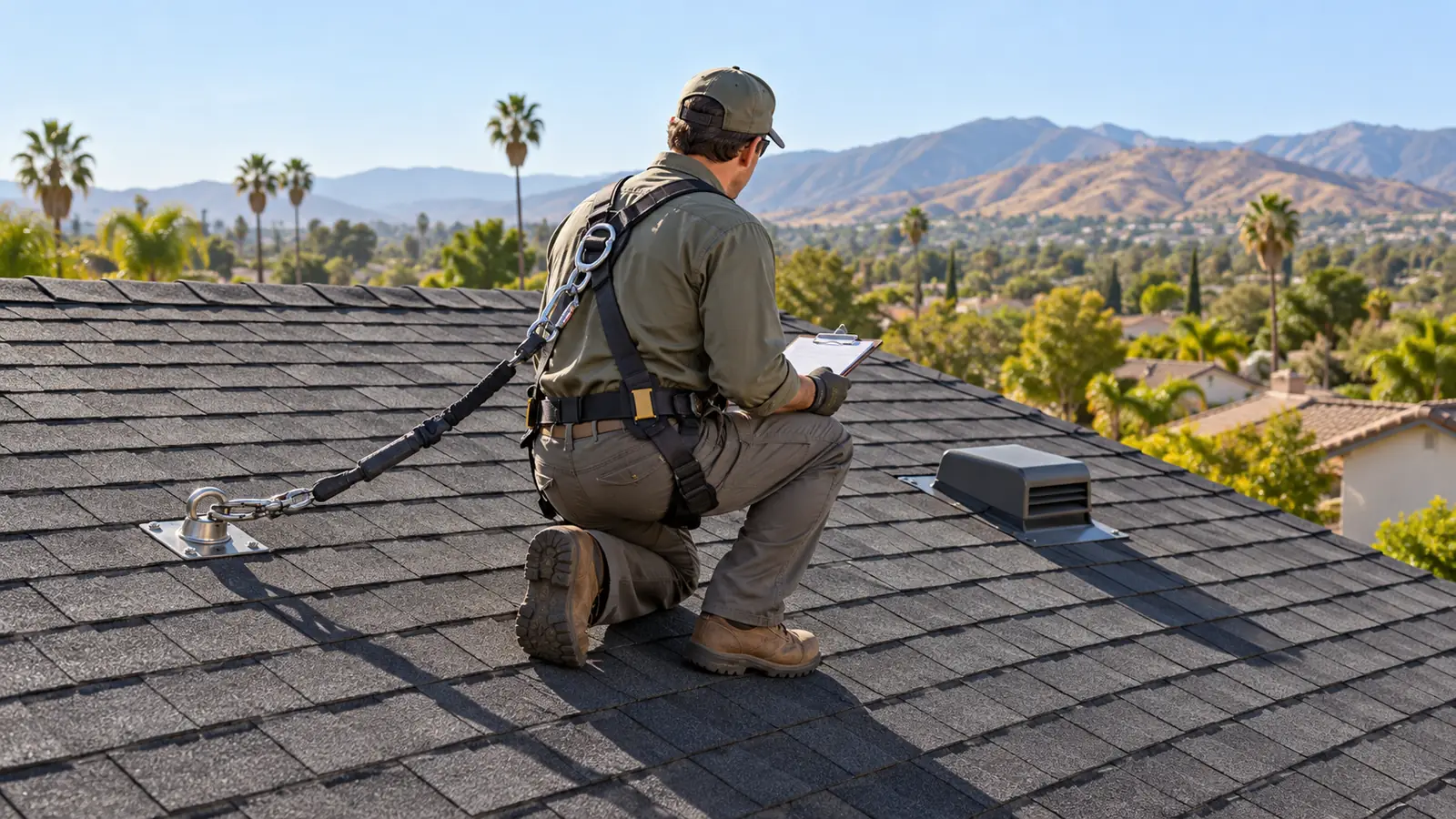
One leak does not automatically mean the entire roof needs replacement. The useful question is whether the problem is isolated or part of a wider pattern. Ask for an explanation of the roof covering, visible decking, flashing, and previous repairs. Photos can make the recommendation easier to understand, especially when the concern is in an area you cannot see from the ground.
If several sections are deteriorating, compare the cost and limitations of another repair with a replacement proposal. If the roof remains serviceable outside a small damaged area, ask whether a defined repair can reasonably address the problem. A decision should follow the findings, rather than the age of the roof alone.
Look beneath the material and color
A replacement estimate should describe more than the finished surface. Roofing is an assembly, with components that manage water at the deck, edges, walls, and openings. Underlayment provides a secondary protective layer beneath the roof covering. Flashing directs water around junctions such as vents, walls, and chimneys.
Ask what happens after the old roofing is removed. The estimate should explain how damaged decking is identified, how additional work is priced, and who approves it. An allowance is easier to evaluate when the quantity, unit price, and limits are written down.
Choose a material around your house
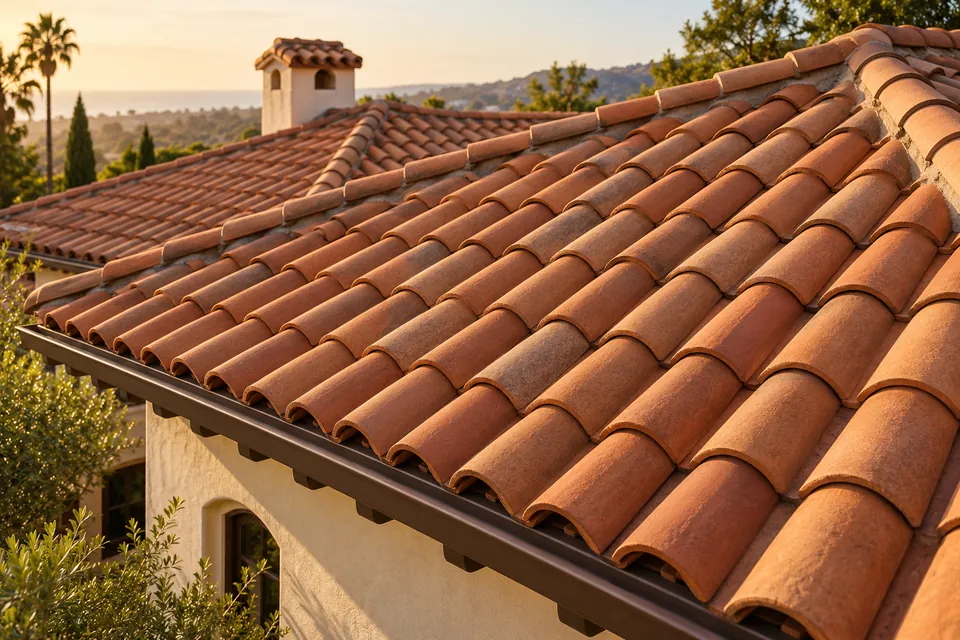
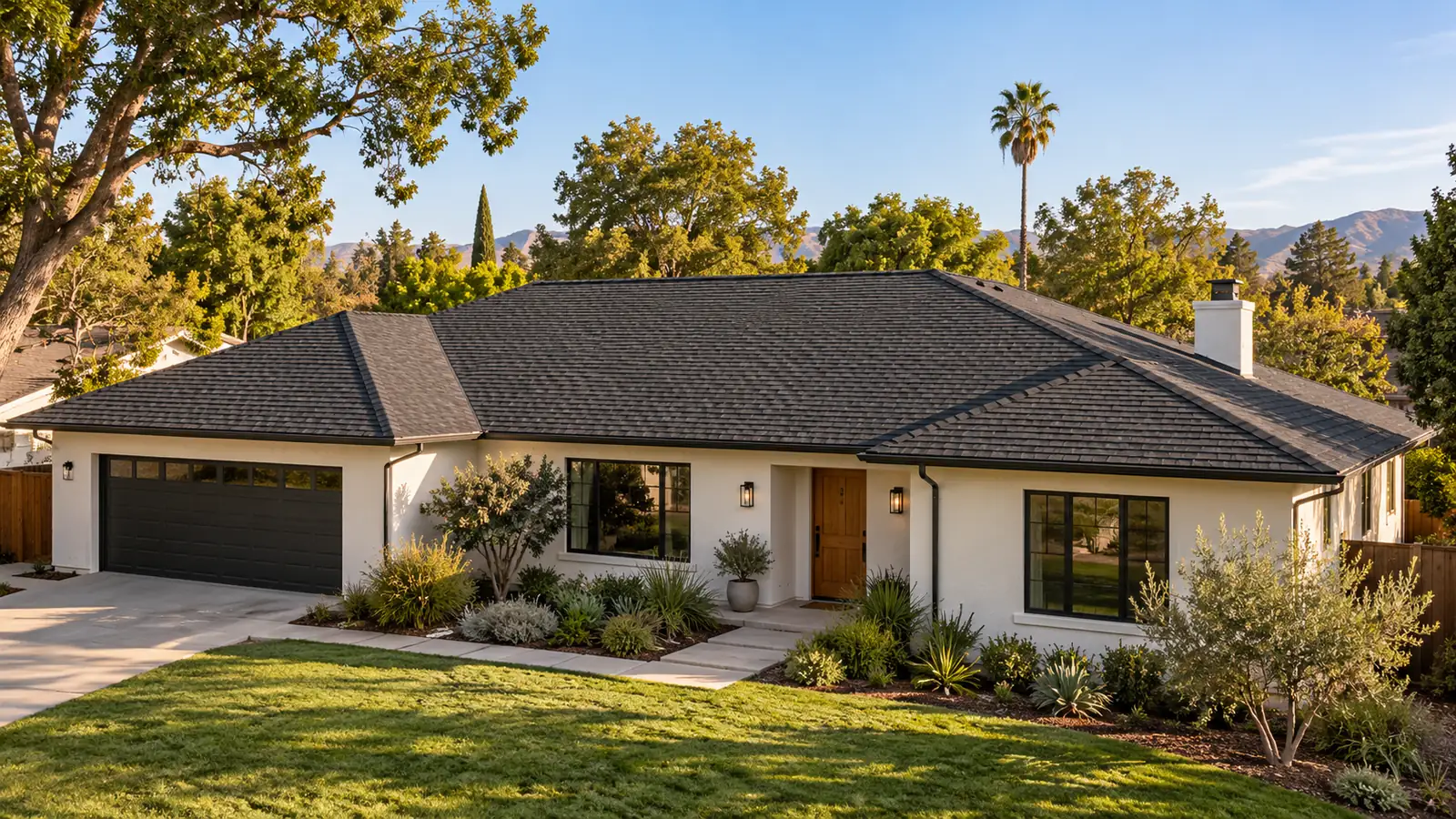
Asphalt shingles, tile, metal, and low-slope systems solve different design needs. Roof shape, slope, existing structure, appearance, and the maintenance you are prepared to arrange all belong in the conversation. For a Winnetka home with several roof sections, one material may not suit every surface.
Bring pictures of finishes you like, but ask for actual product samples before deciding. Review the proposed product, underlayment, accessories, and manufacturer documentation together. If you have solar panels, a skylight, or rooftop equipment, flag it early so the work can be coordinated.
Make the next step specific
Send the property address, the approximate age of the roof if known, and a brief description of leaks or damage. You do not need to climb onto the roof or diagnose the cause. Ground-level photos and records of previous repairs are useful.
Before authorizing work, review access, material delivery, property protection, cleanup, change approvals, and the closeout documents. Ask how weather could affect the schedule. You should leave the estimate conversation knowing what the proposed work covers and what still depends on inspection.
- Compare the same scope across bids.
- Keep product names and warranty documents with your records.
- Agree on a contact for questions during the project.
STRAIGHT ANSWERS
A few things you may be wondering.
Can I replace only one section of my roof?
Sometimes. The connection to the remaining roof, its condition, and the material all matter. Ask whether a section replacement would leave an unresolved problem nearby.
Does a replacement estimate include decking?
It should state what is included and how hidden damage will be handled. Ask for a written price or approval process for decking discovered after removal.