A useful repair begins with a clear diagnosis
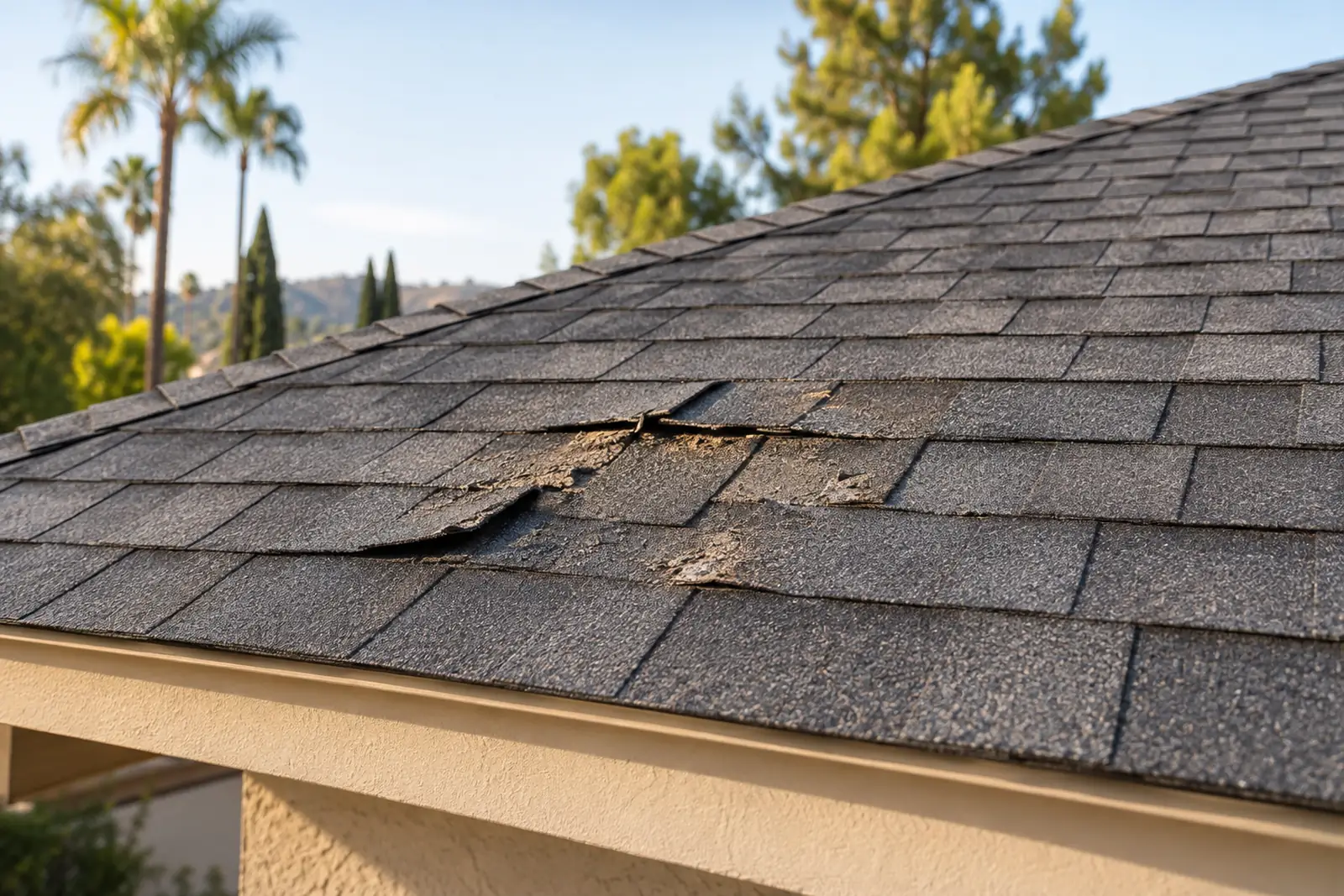
Tell the roofer when the problem first appeared, whether it changes during rain, and whether anyone has repaired that area before. An interior stain, a displaced tile, and loose material at an edge can point to different investigations. A photograph helps document the symptom, but may not establish the source.
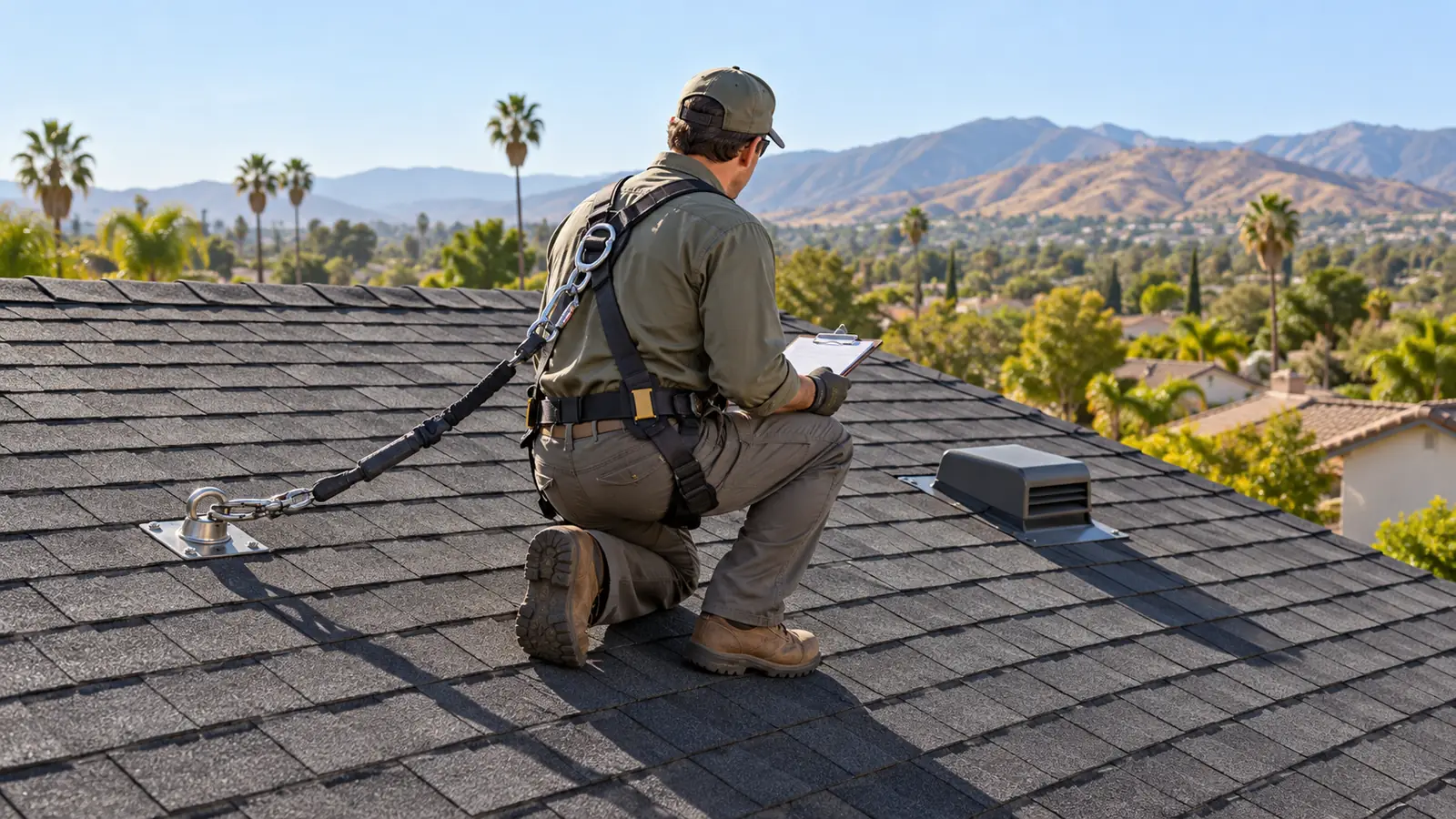
Ask where the repair will begin and end. The answer should identify the affected roof section and explain what will be opened or replaced. If the source cannot be confirmed during the first inspection, the next investigative step should be clear before further work is authorized.
Match the repair to the existing assembly
Repair materials need to work with the existing roofing. Shingles, tile, metal panels, and low-slope membranes have different detailing requirements. A repair proposal should identify the existing material and the proposed method, especially when older products are difficult to match.
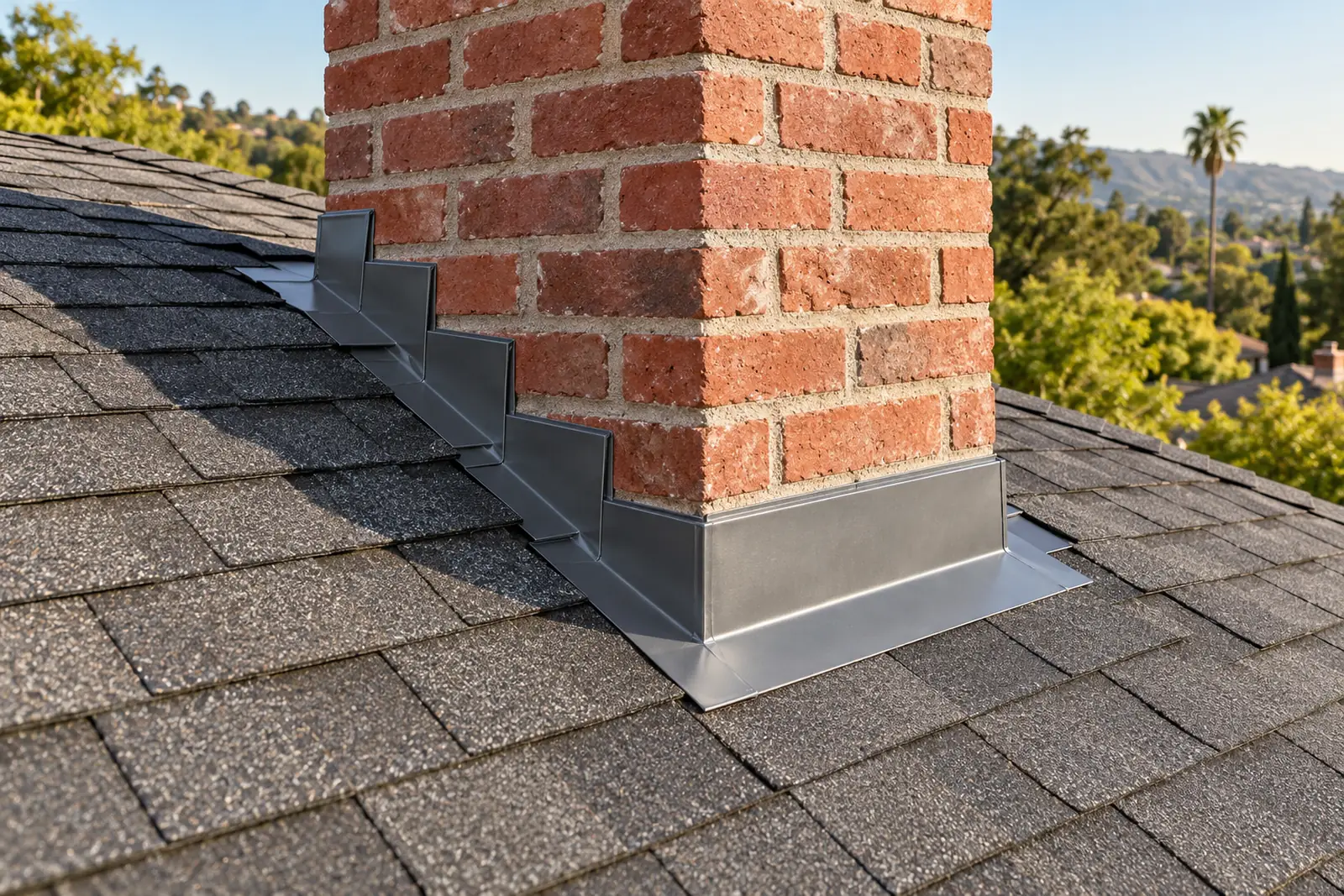
Water-management details also deserve attention. The visible surface may look sound while a wall connection, vent flashing, or previous patch needs work. Ask how the proposed repair addresses the cause and how adjacent surfaces will be left when the work is complete.
Recognize the limits of a spot repair
A defined repair can be a sensible choice when damage is localized and the surrounding roof remains usable. It becomes harder to justify repeated patches when problems are appearing in several areas or when adjacent materials cannot be handled without breaking down.
If replacement is recommended, ask what findings changed the decision. If repair is recommended, ask what remains outside the scope. This gives you a practical comparison: the immediate work, the remaining condition, and the possibility of future work. Neither option should depend on a blanket promise that an aging roof will never leak again.
Prepare for an estimate without taking risks
Stay on the ground and keep people away from loose material or unstable ceilings. Do not climb onto a wet roof to take pictures. Share any accessible photos, the property address, and prior repair paperwork with your inquiry.
If the problem is active, explain that when you contact us and ask about current availability. Temporary protection and permanent repairs are different scopes. Confirm which is being proposed and whether a follow-up visit will be needed.
- Note the affected room or exterior roof section.
- Record the date and weather when the issue appeared.
- Ask what damage is visible and what remains concealed.
- Get the repair boundaries and exclusions in writing.
STRAIGHT ANSWERS
A few things you may be wondering.
Is roof repair always less expensive than replacement?
The initial scope may be smaller, but repeated repairs can change the comparison. Evaluate the whole roof condition and the work each option includes.
Can repaired roofing look different?
Yes. New material may differ from weathered roofing, and older styles may be unavailable. Ask about the expected appearance before work begins.